
Exploring The Process Of Foreclosure In North Carolina
Selling a house in foreclosure in North Carolina can be a complicated process, so it’s important to know what to expect. The foreclosure process in North Carolina begins with the lender initiating a lawsuit against the homeowner.
This lawsuit will include a complaint and summons which must be served on the homeowner. Once served, the homeowner will have twenty days to respond or face a default judgment from the court.
After this, the court may issue an order of sale that allows for a sheriff’s sale of the property. In some cases, however, lenders may choose to start negotiations with the homeowner for an alternative solution such as loan modifications or short sales.
It is important for homeowners and potential buyers alike to understand all of their options when exploring foreclosures in North Carolina. Additionally, it is essential that buyers complete their due diligence by researching local laws and policies regarding foreclosures prior to submitting any offers on properties through foreclosure auctions or other transactions. For those looking for a straightforward and efficient sale, working with cash home buyers in Greensboro (or elsewhere in NC) can be an excellent option.
Table of Contents
1. Exploring The Process Of Foreclosure In North Carolina
2. Strategies To Maximize Your Financial Outcome When Selling A House In Foreclosure North Carolina
3. How To Take Advantage Of Selling Your Home Pre-Foreclosure In North Carolina
Understanding The Foreclosure Timeline In North Carolina
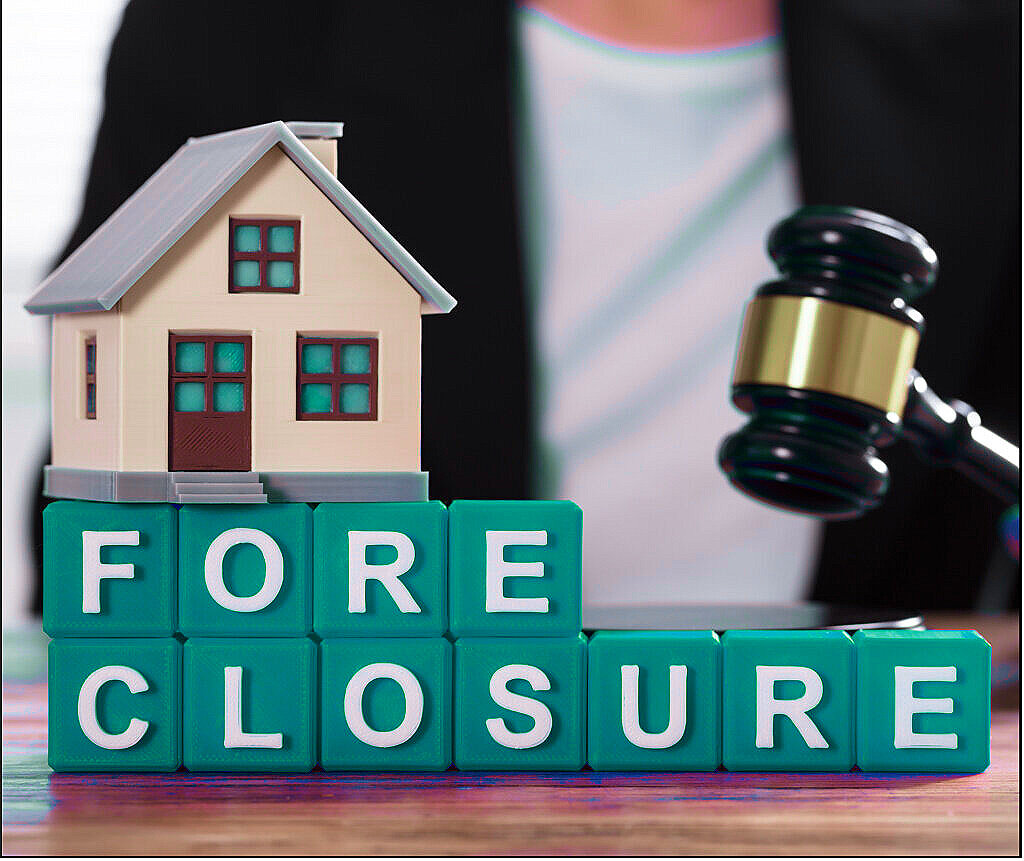
The foreclosure process in North Carolina can be a complicated one, and it is important for potential sellers to understand the timeline before taking the next steps. Starting with the notice of default, the homeowner will receive a letter in the mail notifying them that they are behind on their mortgage payments.
If payment is not made within 30 days, the lender may proceed with foreclosure proceedings. From there, a Notice of Sale must be published in a local newspaper for three consecutive weeks and must also be posted at the courthouse door and mailed to all interested parties.
The home will then be sold at auction to the highest bidder. The sale must occur at least 20 days after the date of publication of the Notice of Sale but no more than 60 days later.
It is important to note that if no bids are received at auction, or if there is an inadequate bid, then ownership of the property may pass back to the lender. Once this has occurred, any liens held by other parties against the property will be extinguished, and the title will transfer free and clear.
Looking At The Pros And Cons Of Selling A Home In Foreclosure In North Carolina
Selling a home in foreclosure can be a viable option for North Carolina homeowners, but there are pros and cons that must be considered. On the plus side, selling your home in foreclosure may offer you a fast and easy way to move on from your property.
In addition, it can provide some financial relief by reducing or eliminating debt associated with the house. Conversely, however, selling your home in foreclosure can also damage your credit score significantly and will remain on your credit report for years to come.
Furthermore, you may receive less money for the house than if you had sold it through traditional means. When deciding whether or not to sell a home in foreclosure in North Carolina, it is important to weigh all of these factors carefully before making any decisions.
Strategies To Maximize Your Financial Outcome When Selling A House In Foreclosure North Carolina

Selling a house in foreclosure in North Carolina can be a tricky process, but with the right strategies in place, you can maximize your financial outcome. One strategy to consider is pricing the home appropriately.
Research similar homes in the area to get an idea of what you should list the house for. You also want to make sure that any repairs or renovations are completed before listing.
If you’re able to, invest in cosmetic updates such as painting or replacing flooring as they can increase the value of your home and draw more potential buyers. Additionally, it’s important to be prepared for a quick sale when selling a house in foreclosure.
You may not have much time between listing and closing, so be ready to accommodate offers quickly. Lastly, make sure you have all of your documents ready and accurate before listing the house—this includes deeds and title information as well as any other relevant documents pertaining to ownership or liens on the property.
With these strategies in mind, you’ll be better equipped to maximize your financial outcome when selling a house in foreclosure in North Carolina.
How To Stop Foreclosure Processes In North Carolina
Selling a house in foreclosure in North Carolina can be a difficult and stressful experience. It is important to understand the process of foreclosure and how to prevent it from happening before you enter the market.
The first step is to familiarize yourself with the laws and regulations that govern foreclosures in North Carolina, as there are certain rules and regulations that must be followed. Once you know the legal requirements for preventing foreclosure, you can start researching potential solutions for your situation.
Some options include refinancing your mortgage or working with a credit counselor who can help you manage your debt. Additionally, if you have equity in your home, selling your house before it goes into foreclosure may be an option to consider.
It is also important to contact your lender directly as soon as possible so that they can provide assistance and guidance on avoiding foreclosure. Finally, if all else fails, talking to an experienced real estate attorney may help you stop the process of foreclosure in North Carolina.
Assessing Short Sales Vs. Foreclosures: Which Is Better For Your Credit Score In North Carolina?
When considering a foreclosure sale in North Carolina, it’s important to understand the differences between a short sale and a foreclosure in order to make an informed decision that best fits your financial situation. Short sales can be beneficial for your credit score because they are typically viewed more favorably than foreclosures by lenders.
With a short sale, you can negotiate with the lender to accept less than what is owed on the loan, and the remaining balance is forgiven. This means that if you owe more than what the property is worth, you can still settle with the lender without having to pay back the full amount.
On the other hand, when it comes to foreclosures, lenders will typically take full possession of the property, and you may end up owing money after the sale of your home. It’s important to note that both short sales and foreclosures will have a negative effect on your credit score, but short sales generally have less of an impact than foreclosures.
Therefore, in order to make sure that you’re making an informed decision when selling your home in North Carolina, it’s important to weigh all of your options and assess which option is most suitable for maintaining or improving your credit score.
How To Take Advantage Of Selling Your Home Pre-Foreclosure In North Carolina
Selling a home pre-foreclosure in North Carolina is a great way to take advantage of the current real estate market. Before beginning the process, it is important to understand all of the regulations, laws, and procedures that are involved in selling a home in foreclosure.
It is also important to have a clear understanding of the timelines and deadlines that must be met to ensure that your sale is successful. The first step when selling a home pre-foreclosure in North Carolina is to consult with an experienced real estate attorney who can provide you with legal advice and guidance on how best to proceed.
Additionally, you should research the local foreclosure laws so you know exactly what rights and obligations you have as both a seller and buyer. You should also contact your local county office for information on any additional fees or taxes that may be associated with selling your home pre-foreclosure in North Carolina.
Once these steps are taken care of, it’s time to find an interested buyer and begin negotiating terms. Having an experienced real estate agent by your side during this process can help you navigate through any legal issues that arise and ensure that you get the best price possible for your property.
Evaluating Different Ways To Sell A Home In Foreclosure In North Carolina
When selling a home in foreclosure in North Carolina, it is important to consider all of the available options and evaluate which one is the best fit for your situation. Selling a property through an auction or using a real estate agent are two popular methods.
Auctions can provide quick turnover times but come with many risks as buyers do not have time to fully evaluate the property before bidding. Working with an experienced real estate agent may take longer, but they can help you secure a more favorable price by working with potential buyers and providing advice on how to prepare the property for sale.
Additionally, working with an agent gives you access to their network of contacts who may be interested in purchasing the property. Ultimately, no matter which method you choose, it’s important to be aware of the legal requirements that must be met when selling a home in foreclosure in North Carolina so that you can avoid any potential issues down the road.
Analyzing Challenges When Selling A Home In Foreclosure North Carolina
The process of selling a home in foreclosure in North Carolina can present unique challenges, so it is important to have a thorough understanding of the specifics of the situation. There are certain laws and regulations that must be followed when going through this process, and failure to do so may result in legal issues or loss of the home.
It is also important to research the market value of the home prior to listing, as buyers may be more hesitant if they perceive that they are paying too much for the prope
Related Reading
- Power-of-Sale Foreclosure in NC: What Happens at the Clerk’s Hearing
- How to Handle a Tax Lien on a Property You Want to Sell
- How To Avoid Running Into Mortgage Paying Trouble for Greensboro Homeowners